
Taste the Road Slowly Across Canada

Join a delicious journey where every mile invites a longer pause and every plate tells a place-based story. We set out on gastronomy-led slow travel, threading farm-to-table experiences and winery trails across Canada, from ocean-bright seafood and prairie grains to mountain-grown grapes. Expect intimate producer visits, layered terroir in your glass, and heartfelt conversations that shape memory. Share your curiosities, subscribe for fresh itineraries, and help map tomorrow’s route with your favorite farms and cellars.

Savor the Journey, Not the Miles

Slow travel here means tasting landscapes patiently, moving by train, bicycle, or ferry, and letting conversations with growers linger longer than schedules. It asks you to keep curiosity louder than urgency, to smell the crush pad before hearing tasting notes, and to watch golden fields or fog-wrapped coves glide past your window. Choose routes that welcome detours to roadside stands, morning markets, and vineyard benches where horizons feel drinkable, and companions become friends through shared bites, sips, and unhurried stories.

From Field to Forkside Conversations

Meeting growers reframes a meal as a gathering of decisions, seasons, and shared responsibilities. Ask questions about soil health, pollinators, and water; you will hear pride and vulnerability in balanced measure. Purchase with intention, tip generously during farm suppers, and show up on time for tours that start at dawn, when birds write the day’s first notes. These conversations taste like mentorship, reminding us that flavor is not only harvested but also stewarded, neighbor to neighbor, throughout Canada’s generous kitchens and fields.

Dawn in an Okanagan Orchard

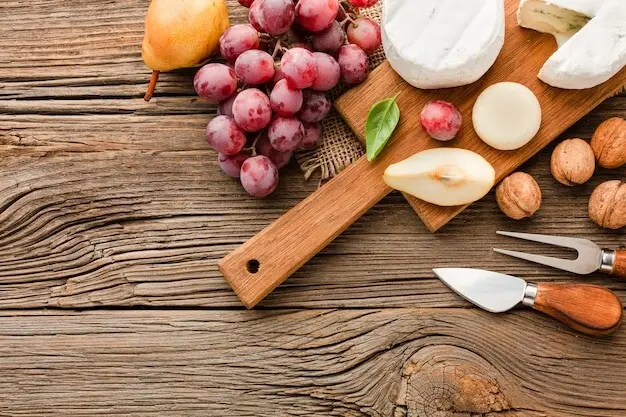
Arrive before sunrise and feel the valley exhale cool air as pickers share quiet jokes in several languages. The first peaches land in bins like soft drumbeats, and a farmer explains why integrated pest management keeps beneficial insects thriving. Later, a pop-up lunch pairs still-warm fruit with local chèvre, grilled bread, and herb oil. You leave sticky-fingered and bright-eyed, carrying a deeper understanding that sweetness is work, timing, and care, not only sugar. Gratitude takes up delicious residence.

Cheddar and Curds in the Eastern Townships

In Quebec’s Eastern Townships, a winding road reveals small dairies where cellar doors open to the perfume of aging wheels. Makers describe raw milk nuance, gentle washing, and rinds brushed like family heirlooms. Taste curds still squeaking, then a bandaged cheddar layered with hayfield memories. Nearby orchards pour golden ice cider, its crisp acidity cutting through richness like a friendly argument resolved by laughter. Leave with a cooler full of stories, labels smudged by enthusiasm, plans already forming for a return.

A Country of Vines and Ciders

From the sun-baked Okanagan to breezy Niagara, maritime Nova Scotia to limestone-laced Prince Edward County, Canada’s cellar map reads like poetry in evolving vintages. Expect Riesling with electric minerality, elegant Pinot Noir, expressive Syrah, and sparkling wines precise as sea spray. Quebec’s cider houses press heritage apples into bright, contemplative bottles. Hospitality teams translate weather into tasting notes, invite you to linger, and pour second sips to underline a point. Travel here to listen: each vineyard narrates its own patient becoming.

Icewine Under a Winter Sky

Walk a frozen Niagara or Okanagan row at night, where headlamps bob and grapes crackle like tiny bells. Picked below prescribed temperatures, berries yield syrupy gold that tastes of apricot, marmalade, and candlelit wonder. In the warm tasting room, pair it with blue cheese or crème brûlée, learning how acidity keeps sweetness elegant. Staff share harvest legends, frostbit fingers, and the relief of sunrise. Bottles become time capsules, perfect for birthdays, reconciliations, and letters you never thought you’d write but happily deliver.

Tidal Bay and Atlantic Brine

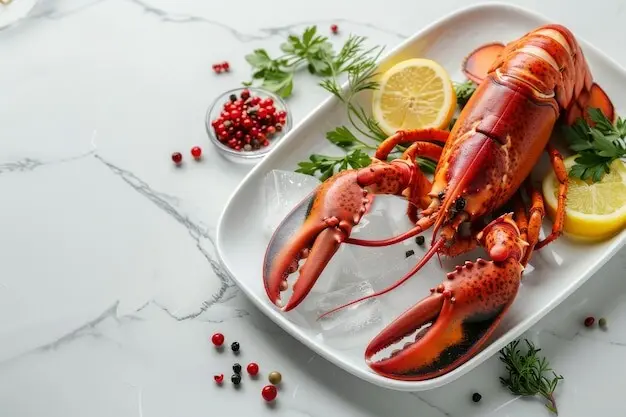
In Nova Scotia, the Tidal Bay designation captures the province’s maritime song: crisp, aromatic whites engineered for scallops, lobster rolls, and salt-thrilled breezes. Tour cellar doors overlooking vineyards that tilt toward the Bay of Fundy, where the world’s highest tides punctuate conversations. Savor citrus, green apple, and a minerality that hums like a buoy bell. Wineries here feel convivial, inviting picnics, music nights, and sandy shoes. It’s coastal hospitality in a bottle, poured with a wink and an extra oyster.

Honouring Indigenous Foodways

Across the land, Indigenous cooks, fishers, foragers, and hosts invite travelers to experience teachings that sustain culture and place. Accept with respect: ask before photographing, listen more than you speak, and understand that recipes carry responsibilities beyond flavor. Try dishes rooted in wild salmon, bison, corn, berries, and cedar. Support Indigenous-owned eateries and guides who steward harvesting protocols and language revitalization. These meals do not simply impress; they recalibrate how we eat, reminding hearts and palates who first cared for these homelands.

Cedar Smoke by the Pacific

On the West Coast, salmon pin-boned with precision meets cedar and slow heat, carrying ocean memory into each bite. The cook explains seasonal openings, community feasts, and how smoke honors fish with patience impossible to counterfeit. Bannock warms alongside nettles sautéed with respect. Guests learn why land acknowledgements must live beyond words, into action and bookings. You depart carrying fragrance in your jacket and a promise to return, understanding that great meals also repair relationships, one generous plate at a time.
Bannock, Berries, and Warm Welcome

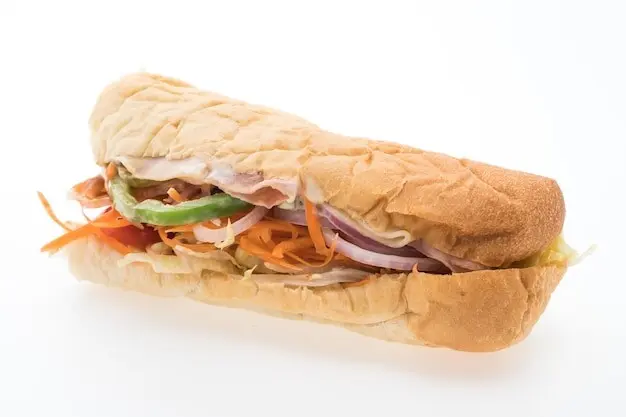
Around a prairie fire, bannock puffs as chokecherries stain fingertips and stories braid through dusk. Your host describes traditional harvesting cycles and how community knowledge keeps people and ecosystems resilient. Children pass plates first to Elders, strengthening bonds that nourish far deeper than calories. You hear laughter, feet on grass, and a hawk’s comment overhead. The lesson is lasting: ingredients arrive with teachings, and every traveler can choose to carry them carefully home, practicing gratitude in kitchens everywhere they wander.
Guided Foraging with Care

Join an Indigenous-led walk to learn edible plants, respectful harvesting, and the dangers of overconfidence. Your guide names medicines and meals, names the soils too, and explains why taking only what you need is an agreement, not a suggestion. Back at camp, spruce tips brighten butter, and mushrooms meet cast iron with an earthy sigh. You leave understanding that permission and patience are ingredients, and that maps should mark responsibilities as clearly as trails. The forest tastes wiser when you listen deeply.
Choose the Quiet Month and Taste Deeper

May and September often pair generous weather with fewer lineups, giving growers and winemakers the luxury of extra minutes. That margin becomes richer explanations of soil amendments, barrel choices, and frost-fighting tactics. Photos feel less hurried, and tables open without anxious clocks. Wildlife emerges, markets brim, and sunsets move slowly enough to savor. Booking then also spreads tourism income across months, strengthening communities. Consider celebrating anniversaries off-peak, transforming a simple weekend into conversations you’ll quote long after bottles and jars are empty.

Public Transit, E-Bikes, and Car Shares

Start with a regional train or bus, then connect to e-bikes or car shares to reach clusters of producers. Many wine regions signpost cycling routes, and rural transit increasingly serves farm market hubs on weekends. Pack a lightweight lock, panniers, and reflective gear for twilight returns. Splitting rides cuts costs and emissions while inspiring friendships among fellow tasters. Ask tasting rooms about partnerships for shuttles, and always plan a safe ride home after generous pours. Sustainability tastes better when logistics feel elegant.

Three Tasting Weekends to Try

Short on time yet hungry for depth? These weekend routes weave accessible distances with meaningful stops, balancing wineries, farms, markets, and scenic pauses. Each loop encourages slower lanes, reservations where needed, and generous buffers for pleasant surprises. Bring a cooler, a notebook, and comfortable shoes. Ask staff for the lesser-known stop that changed their season, then go. Circle back with your own discoveries and share them with our community, because the best guidebook grows through curious readers becoming generous storytellers.

Niagara Parkway Slow Loop

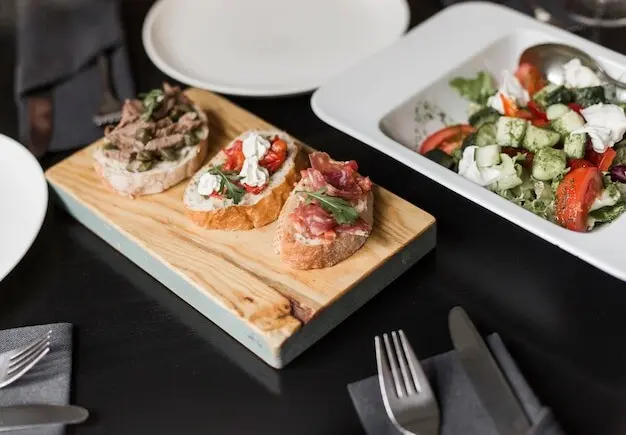
Begin at a riverside market for peaches and early pastries, then roll along the bike path to a small, appointment-only winery where the winemaker pours from barrels with mischievous pride. Pause at a cidery tucked among orchards for a crisp flight and a grilled cheese kissed by local cheddar. Finish at a farm kitchen serving seasonal salads and charcuterie. Skip crowds by starting early and returning late, letting the river’s steady current set your mood and measured cadence all day.

Island Markets and Gulf Island Sips

Sail at sunrise to a Gulf Island, coffee in hand, and head straight to the community market where artisans swap recipes with farmers. Taste goat cheese, sea-salt caramels, and greens that still remember dew. Visit two boutique wineries framed by arbutus and Garry oak, then picnic on a bluff, gulls chattering approval. An afternoon creamery stop and shoreline walk round things gently. Return ferry-side with bread, jam, and a plan to come back for the autumn harvest suppers already whispering.

Annapolis Valley and Mighty Tides

Drive or shuttle to vineyards leaning toward the Bay of Fundy, booking a tasting that includes Tidal Bay beside briny oysters or scallops. Between cellar doors, visit a u-pick orchard and talk late-season pruning with a grower who remembers your name by the second question. Watch the tide race out like a magician’s trick, then settle into a farm restaurant for chowder and cider. Night brings stargazing, quiet roads, and a resolve to return when maple buds promise another bright spring.
Zavotavovaropexi
Privacy Overview

This website uses cookies so that we can provide you with the best user experience possible. Cookie information is stored in your browser and performs functions such as recognising you when you return to our website and helping our team to understand which sections of the website you find most interesting and useful.